Skip to content
Section 1 of 7

Autoweg vs motorway: what's the difference

In short

  • Only a motor vehicle that can and may do at least 60 km/h uses the motorway; on an autoweg at least 50.
  • You don't turn round, reverse or stop on the carriageway.
  • You only use the hard shoulder in an emergency.
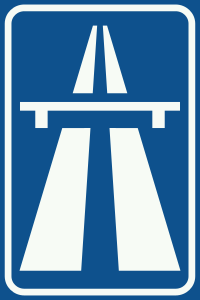
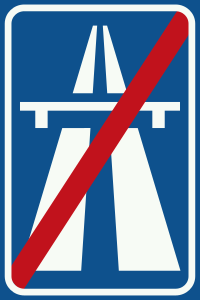
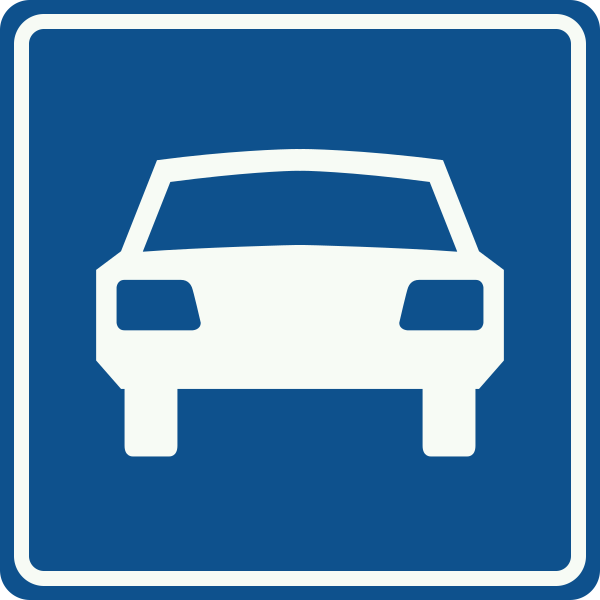
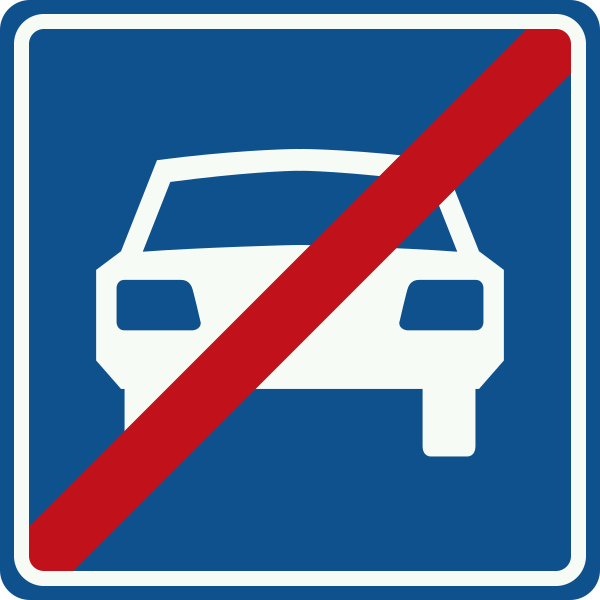
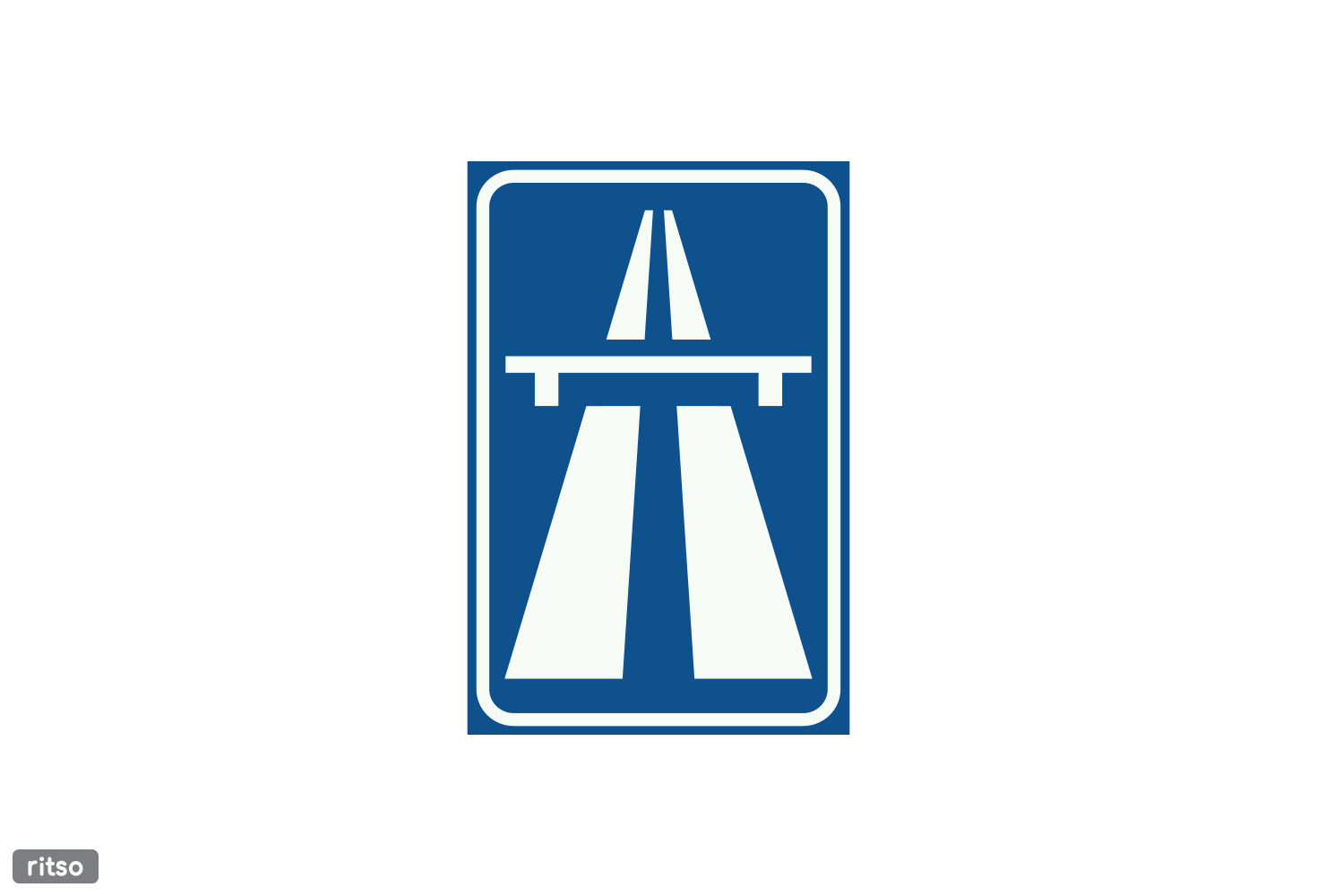
G1: motorway. G2: end of the motorway. G3: autoweg. G4: end of the autoweg. Your car may drive here.

Only a motor vehicle that can and may do at least 60 km/h uses the motorway. On an autowegA road with sign G3. Without other signs 100 km/h applies there.All exam words it is at least 50 km/h. So a car, a motorcycle and a lorry may drive there. A moped, a snorfietsA moped that can't go faster than 25 km/h, with a blue number plate. It follows the rules for cyclists.All exam words, a brommobielA small car that may not go faster than 45 km/h. It follows the rules for cars.All exam words and a farm tractor may not.

RVV 1990 art. 42 lid 1RVV 1990 art. 42 lid 2

Show Dutch
In Dutch, as on the examOp de autosnelweg mag alleen een motorvoertuig dat minstens 60 km/u kan én mag. Op een autowegEen weg met bord G3. Zonder andere borden geldt daar 100 km/u.Alle examenwoorden is dat minstens 50 km/u. Een auto, een motor en een vrachtauto mogen er dus rijden. Een bromfiets, een snorfietsEen bromfiets die niet harder kan dan 25 km/u, met een blauw kenteken. Hij volgt de regels voor fietsers.Alle examenwoorden, een brommobielEen kleine auto die niet harder mag dan 45 km/u. Hij volgt de regels voor auto's.Alle examenwoorden en een trekker niet.
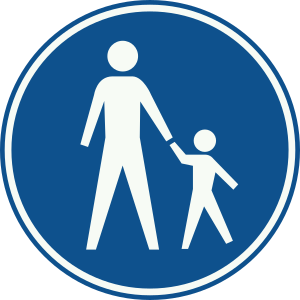
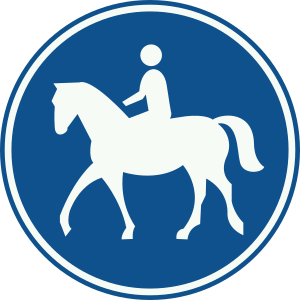
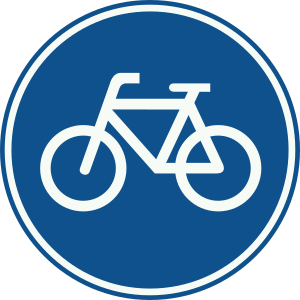
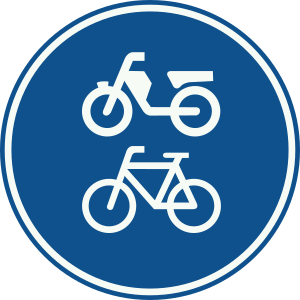
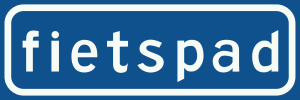
Your car may not go here: G7 footpath, G9 bridle path, G11 and G13 cycle path, G12a cycle/moped path.

Without signs it is 130 on the motorway and 100 km/h on an autoweg. On many motorways signs show a lower speed by day. A lorry may never go faster than 80, a car with a trailer never faster than 90.

RVV 1990 art. 21 onderdeel aRVV 1990 art. 22 onderdeel aRVV 1990 art. 22 onderdeel e

Show Dutch
In Dutch, as on the examZonder borden is het op de autosnelweg 130 en op een autoweg 100 km/u. Op veel autosnelwegen geven borden overdag een lagere snelheid aan. Een vrachtauto mag nooit harder dan 80, een auto met aanhanger nooit harder dan 90.

On a motorway or autoweg you don't turn round, reverse or stop on the carriageway. Not even briefly to look at your phone. If you have missed your exit, you drive on to the next one. A breakdown is an emergency: then you may stop on the hard shoulder (vluchtstrook)The strip beside a motorway's carriageway, behind a solid line. Only for breakdowns and emergencies.All exam words.

RVV 1990 art. 43 lid 1RVV 1990 art. 43 lid 2RVV 1990 art. 43 lid 3

Show Dutch
In Dutch, as on the examOp een autosnelweg of autoweg keer je niet, rijd je niet achteruit en sta je niet stil op de rijbaan. Ook niet even om op je telefoon te kijken. Heb je je afrit gemist, dan rijd je door naar de volgende. Krijg je pech, dan is dat een noodgeval: dan mag je op de vluchtstrookDe strook naast de rijbaan van een autosnelweg, achter een doorgetrokken streep. Alleen voor pech en noodgevallen.Alle examenwoorden stoppen.

A blue sign above or beside the motorway announces an exit (sign K2). It gives the distance to the exit, its number and the places you can go to. So you can move to the right in time.

RVV 1990 bijlage 1, K2

Show Dutch
In Dutch, as on the examEen blauw bord boven of naast de autosnelweg kondigt een afrit aan (bord K2). Het geeft de afstand tot de afrit, het nummer en de plaatsen waar je heen kunt. Zo kun je op tijd naar rechts.
Trap · Who or where

“Stopping on the hard shoulder for a moment to let someone out is fine.”

No. The hard shoulder (vluchtstrook)The strip beside a motorway's carriageway, behind a solid line. Only for breakdowns and emergencies.All exam words is only for emergencies, such as a breakdown. Letting someone out, checking your route or resting is not an emergency. For that you go to a car park. The same goes for an emergency bay (vluchthaven), a short strip beside the carriageway where there is no hard shoulder.

RVV 1990 art. 43 lid 3

Show Dutch
In Dutch, as on the examNee. De vluchtstrookDe strook naast de rijbaan van een autosnelweg, achter een doorgetrokken streep. Alleen voor pech en noodgevallen.Alle examenwoorden is alleen voor noodgevallen, zoals pech. Iemand laten uitstappen, je route bekijken of uitrusten is geen noodgeval. Daarvoor ga je naar een parkeerplaats. Hetzelfde geldt voor een vluchthaven, een kort stuk naast de rijbaan waar geen vluchtstrook is.

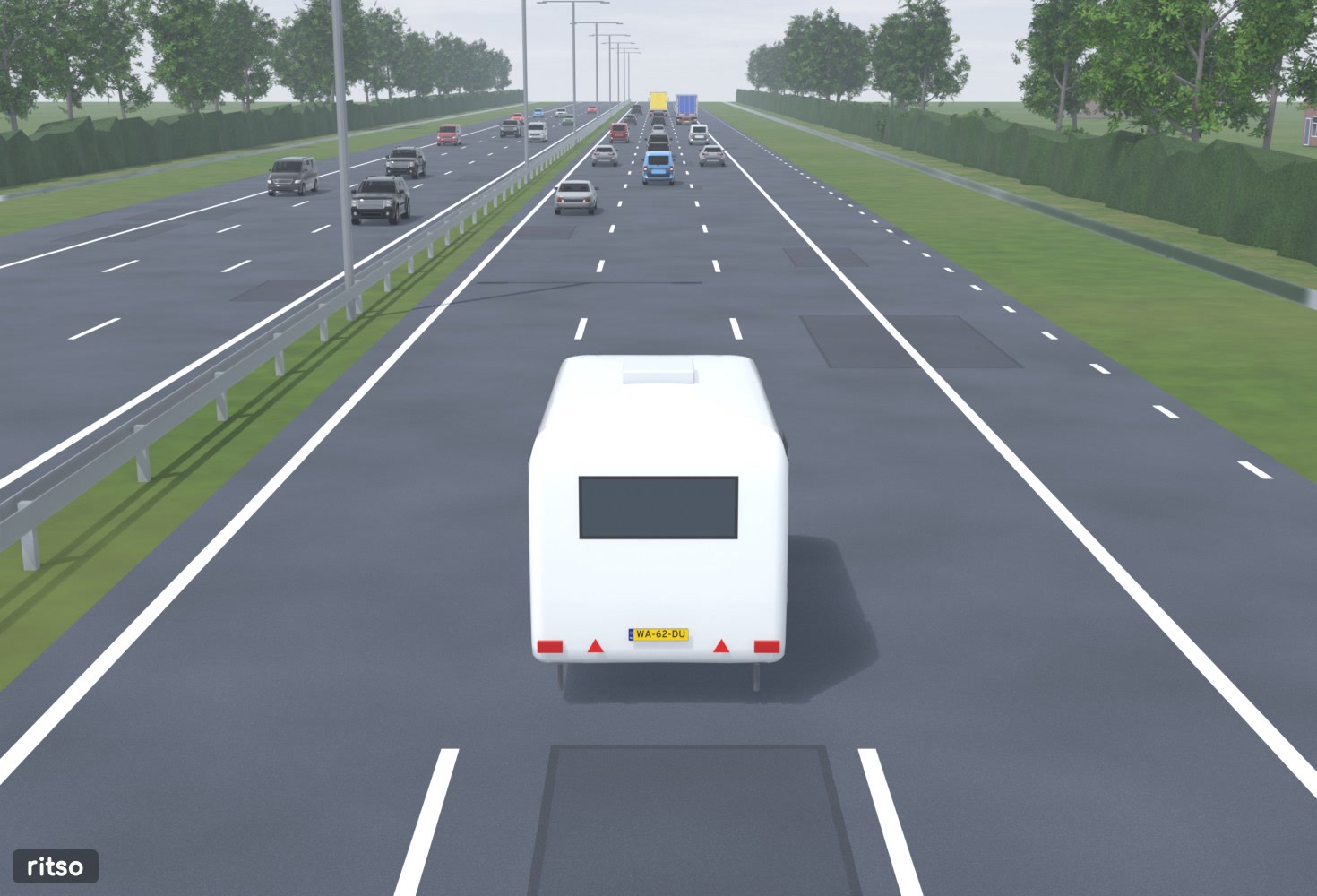
With a trailer or caravan, together longer than 7 metres, you use the two right-hand lanes. That applies on a motorway with three or more lanes, and to a lorry too. Only to get in lane may you go further left.

RVV 1990 art. 43 lid 4

Show Dutch
In Dutch, as on the examMet een aanhanger of caravan, samen langer dan 7 meter, gebruik je de twee rechter rij-stroken. Dat geldt op een autosnelweg met drie of meer rij-stroken, en ook voor een vrachtauto. Alleen om voor te sorteren mag je verder naar links.
You are towing a caravan on a motorway with three lanes.
Three lanes and longer than 7 metres: you stay in one of the two on the right.

Check yourself

Try one question from this section. Pick an answer to see if it's right.

The picture for the question

You are driving on a road with this sign. You have just missed your exit. May you reverse a short way along the hard shoulder?

Now practise it

Create a free account