Route signs, information signs and hectometre boards (K, L)
The first lesson of every chapter is free to watch. The rest come with a free account.
In short
- A route sign over the road: an arrow pointing down shows your lane, a slanting arrow the exit.
- A blue information sign (L) tells you something about the road ahead. It forbids nothing.
- A hectometre board says where you are. Pass it on when you call for help.
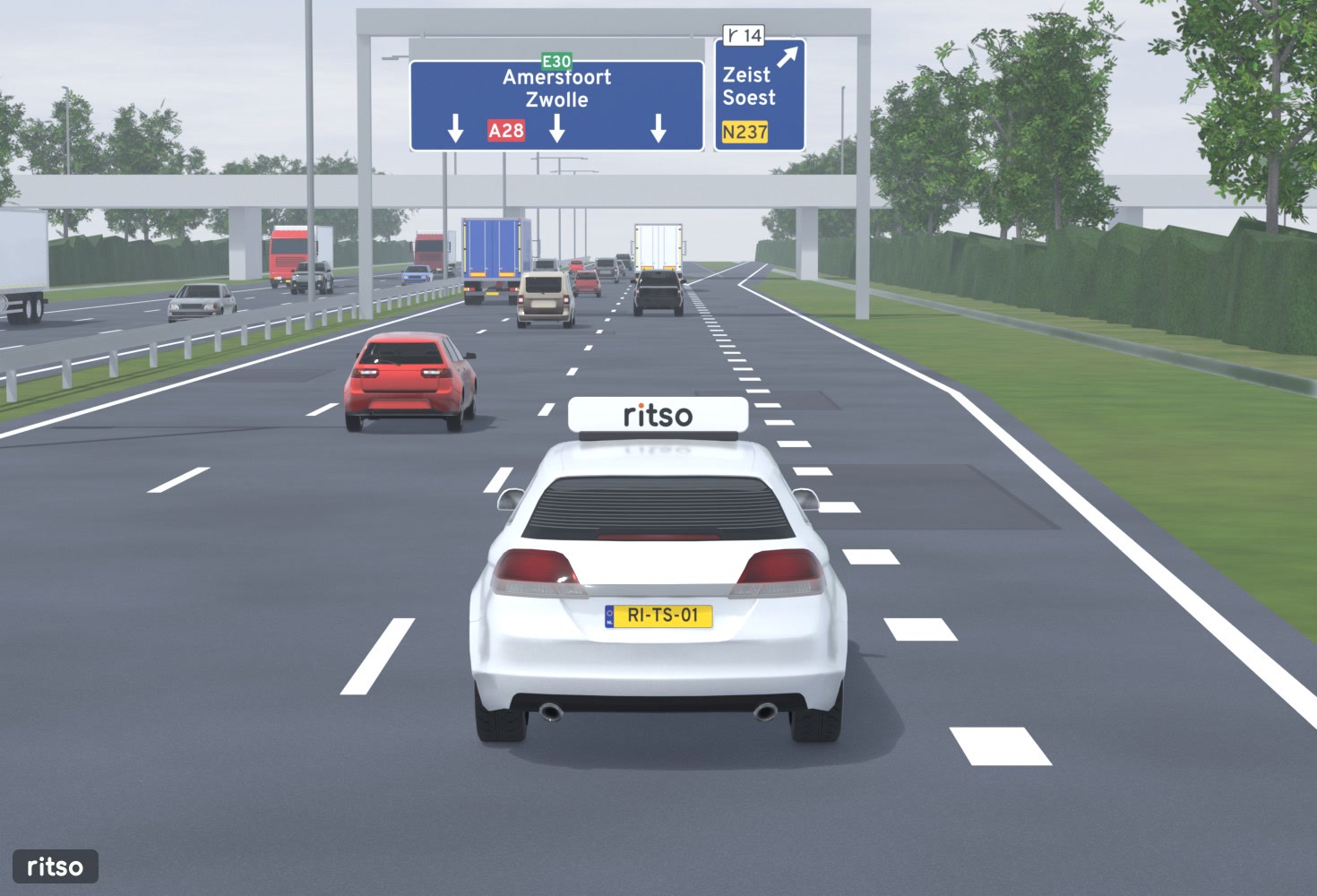
An arrow pointing down over a lane shows where that lane goes. A slanting arrow shows the exit. On the sign announcing an exit (K2) the exit's number is in a white box, with the distance beside it.
Show DutchHide Dutch
“The orange sign over my lane gives a route I must follow.”
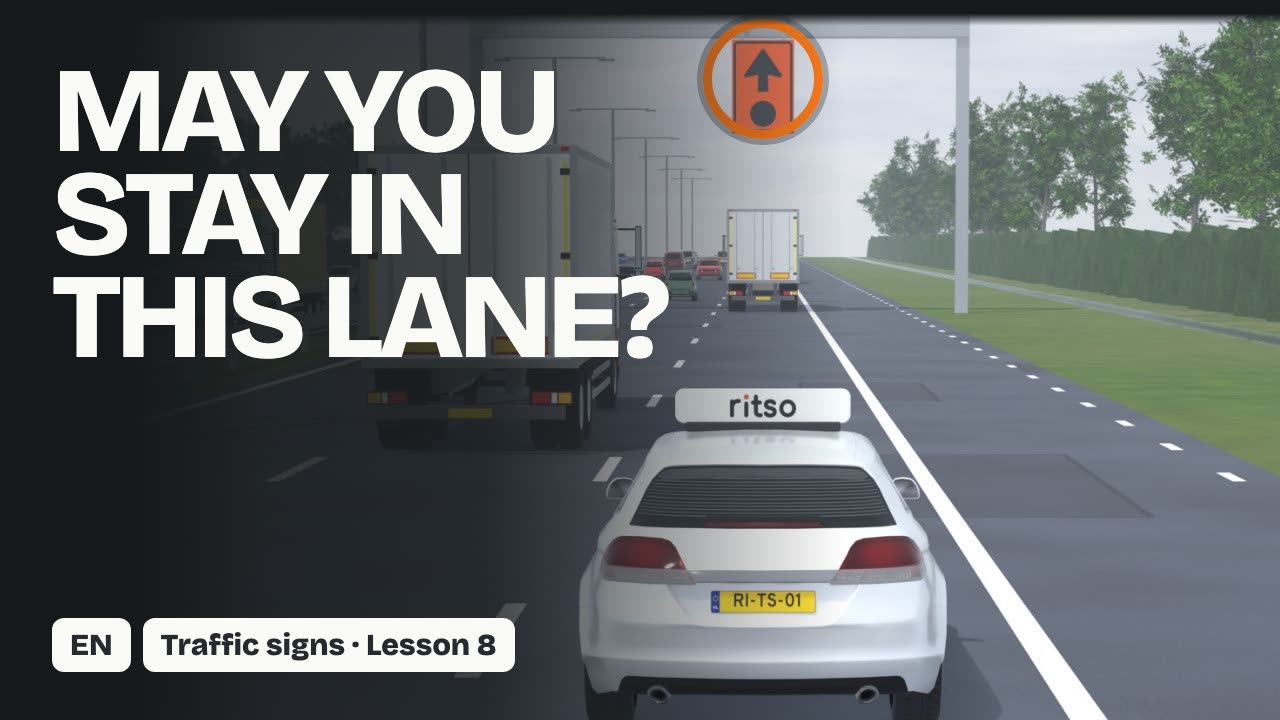
An orange sign (K14) shows the route for dangerous goods. If you drive an ordinary car without such a load, it doesn't apply to you. You may stay in your lane.
Show DutchHide Dutch
“A yellow sign with an arrow means one-way traffic.”
A yellow sign with a letter and an arrow belongs to a detour. If you are following detour D, you go the way of the arrow. It is not an order for everyone. One-way traffic is the blue sign C4.
Show DutchHide Dutch
- L4Get in lane
- L5Lane ends
- L6Road splits
- L7Number of lanes
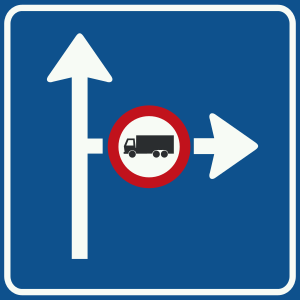
- L11Applies to these lanes
- L12Applies to this lane
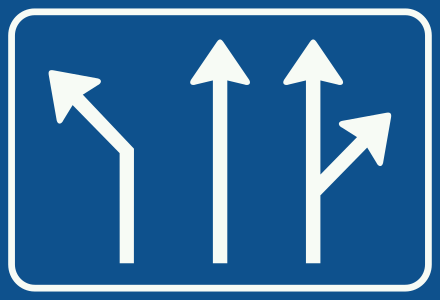
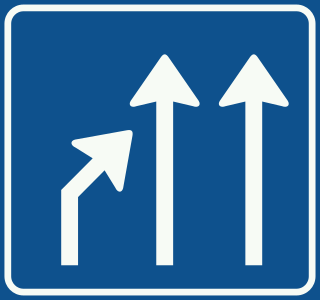
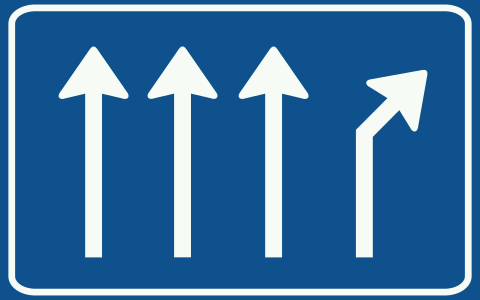
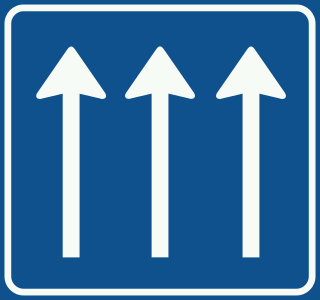
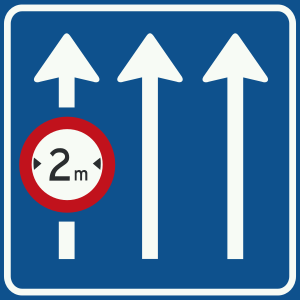
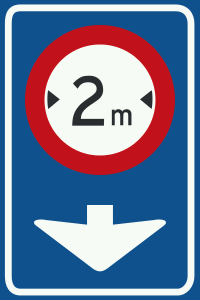
On sign L5 each arrow is a lane. If an arrow bends into another, that lane ends. Count the straight arrows: that many lanes are left.
Show DutchHide Dutch
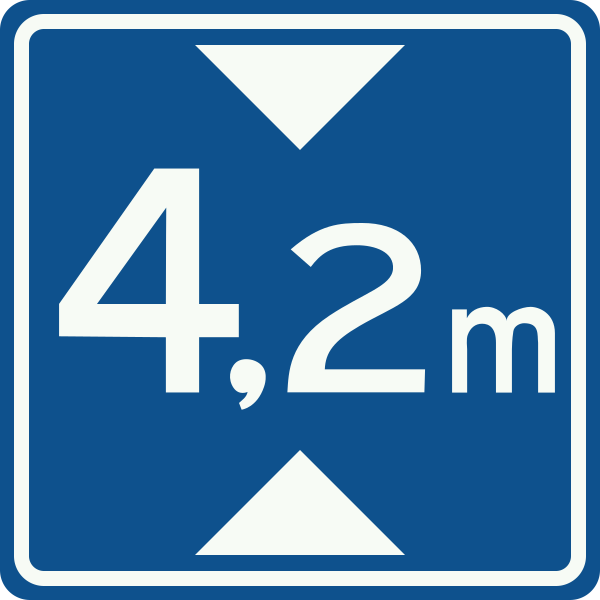
- L1Clearance height
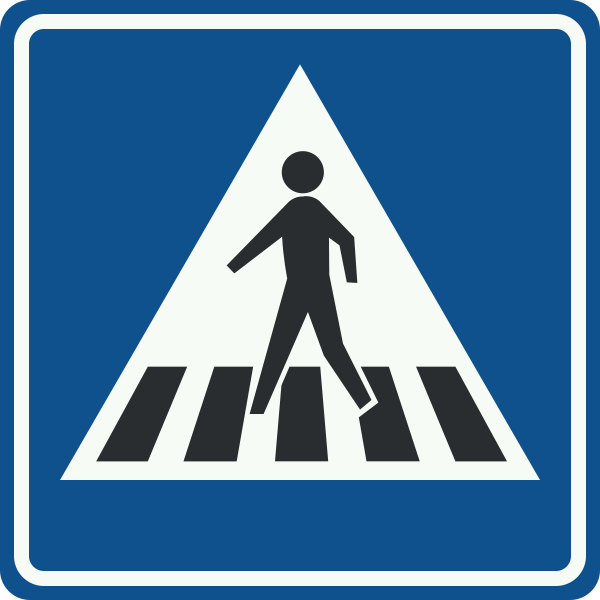
- L2Zebra crossing
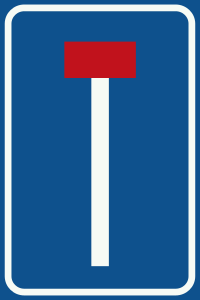
- L8Dead end
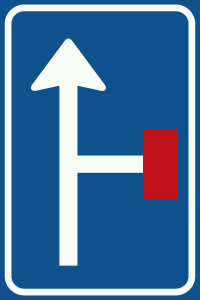
- L9Dead end ahead
- L10Measure ahead
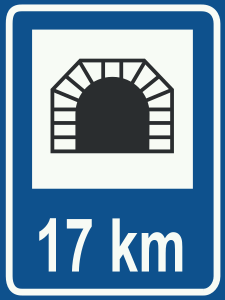
- L13Tunnel
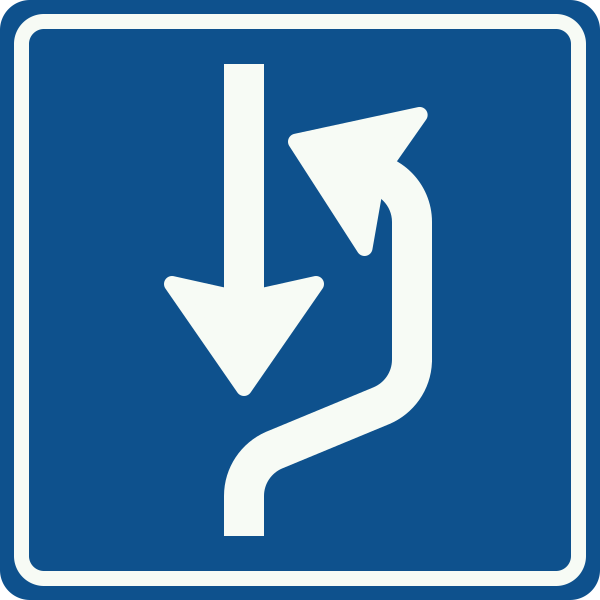
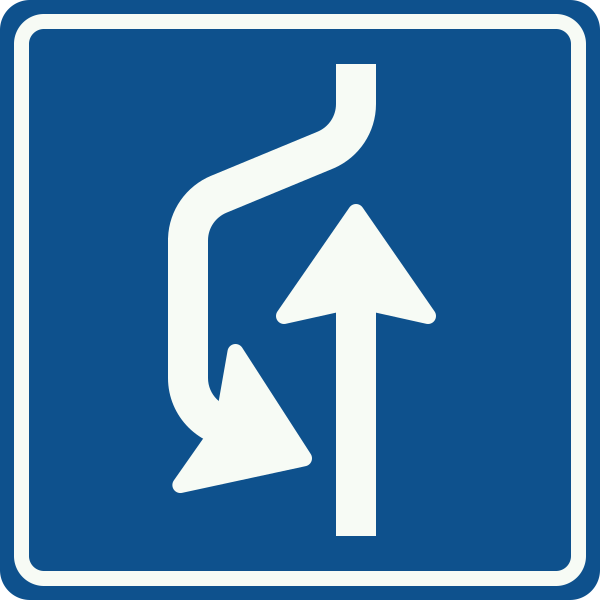
- L20Passing place right
- L21Passing place left
- L14Emergency lay-by
- L15Lay-by with telephone
- L16Emergency telephone
- L17Fire extinguisher
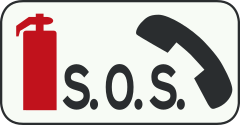
- L18Telephone and extinguisher
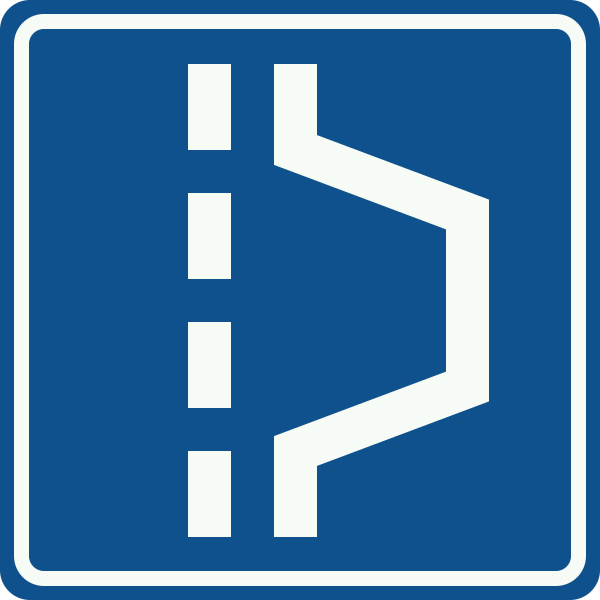
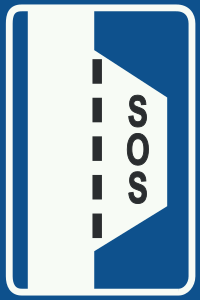
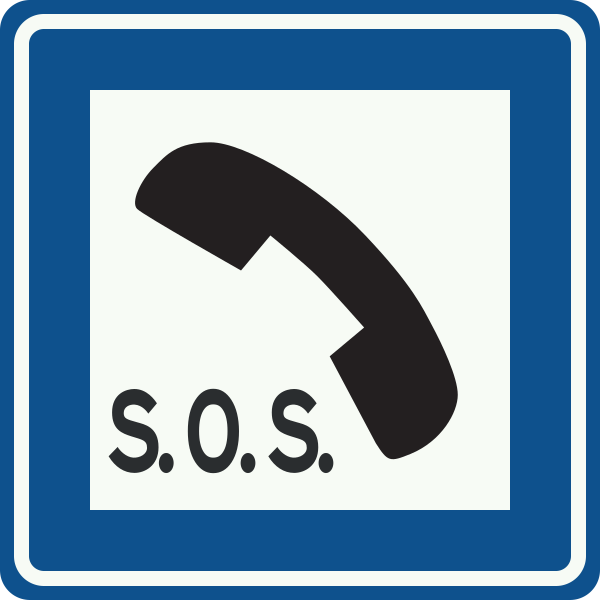
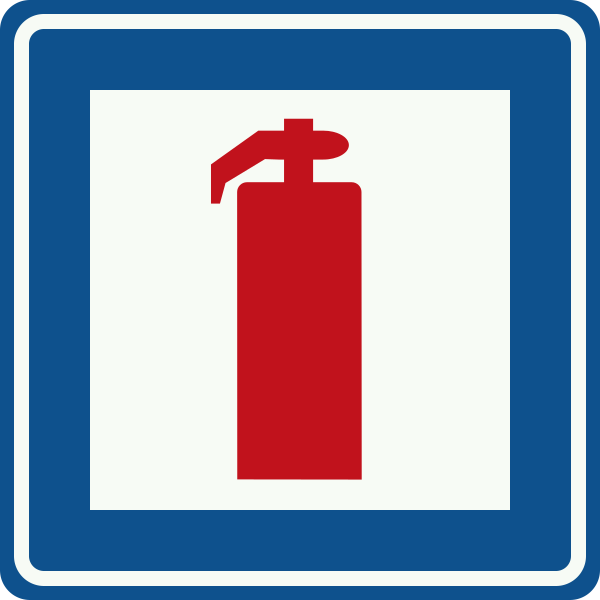
Along the motorway there is a green hectometre board (hectometerbordje)A small green board along the motorway, every 100 metres. It says where you are.All exam words every 100 metres. It gives the road, the place in kilometres and the side of the road. If you have broken down, pass on what it says. That way the emergency services find you quickly.