Breakdowns, accidents and tunnels
The first lesson of every chapter is free to watch. The rest come with a free account.
In short
- With a breakdown on the motorway you go onto the hard shoulder. A jam is not an emergency.
- If you are involved in an accident, you stay until it is clear who you are.
- At a fire in a tunnel you leave the key in the car and walk to an emergency exit.
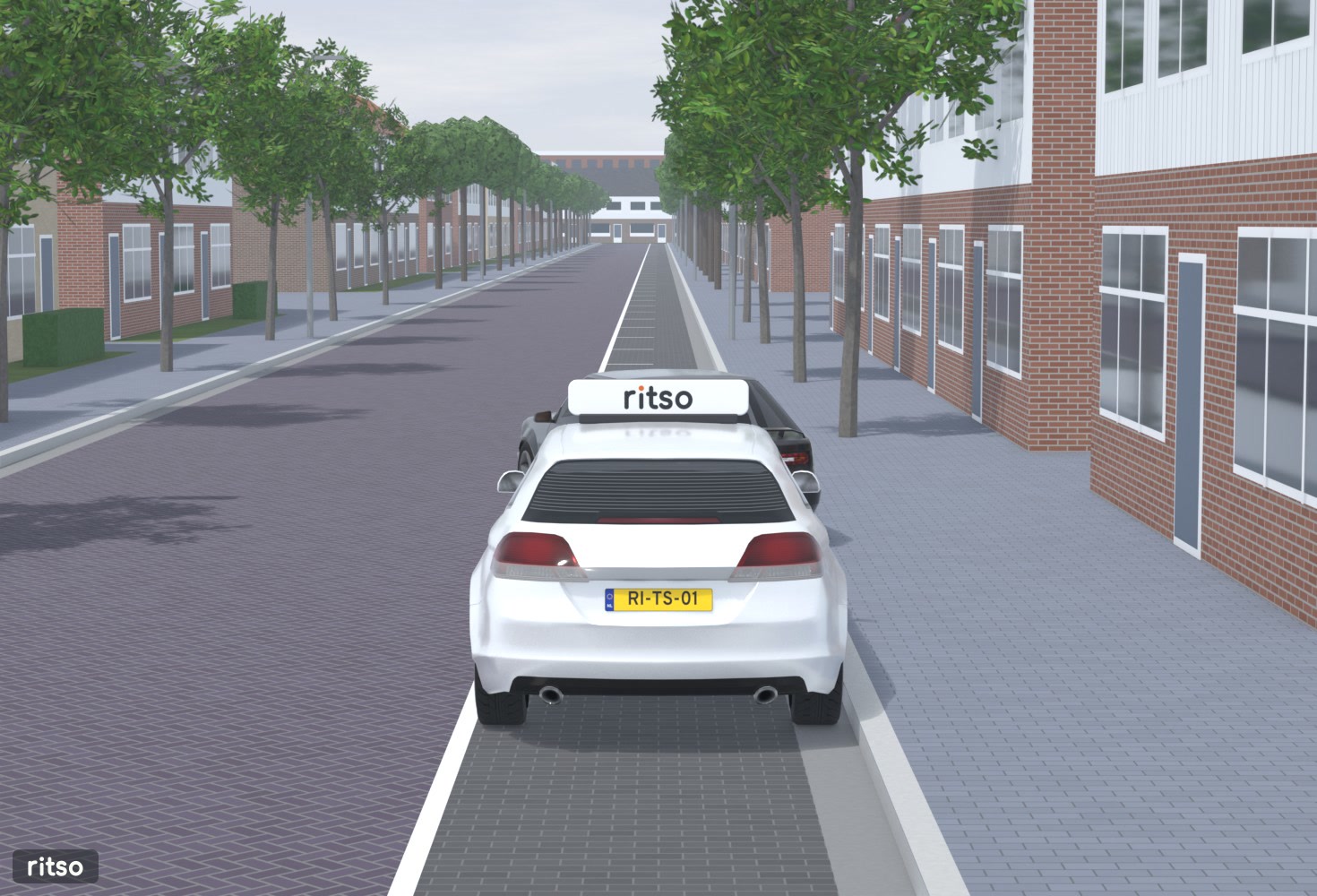
If you break down on the motorway, you drive onto the hard shoulder. Standing still or reversing on the carriageway is not allowed. A jam is not an emergency: you don't drive along the hard shoulder in one.
RVV 1990 art. 43 lid 3RVV 1990 art. 43 lid 1
Show DutchHide Dutch
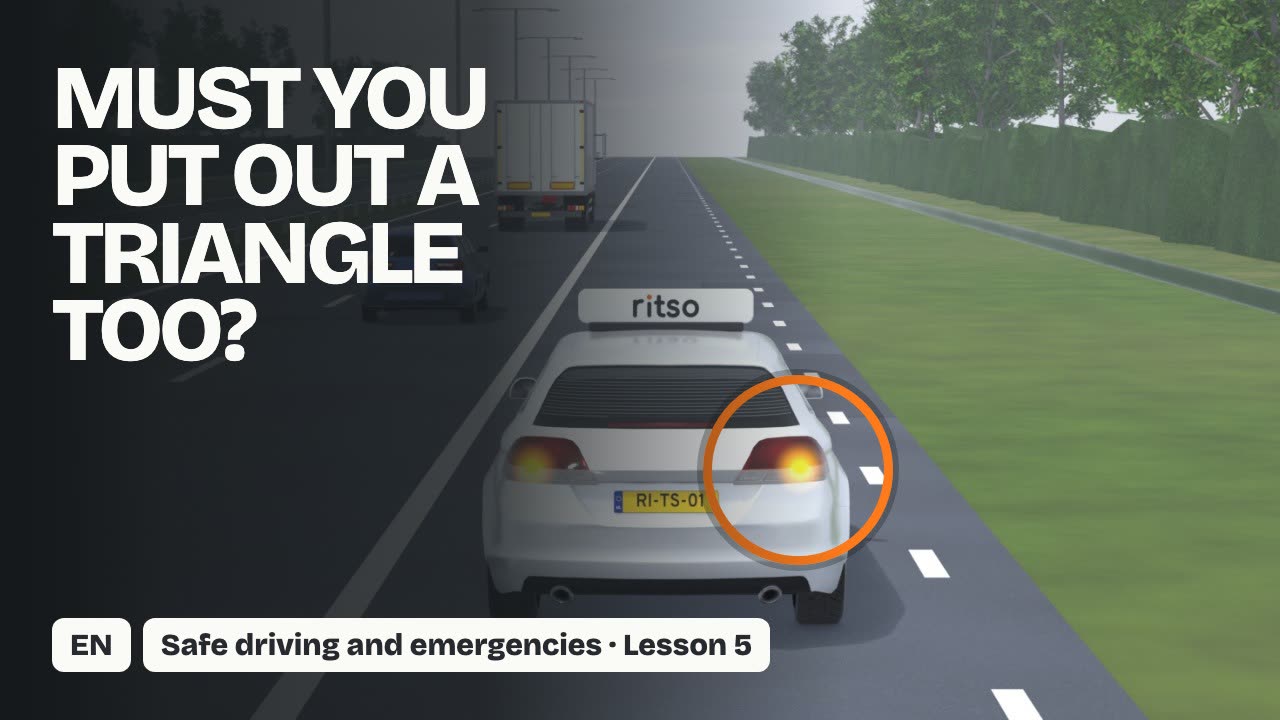
If others can't see your stopped car in time, you put out a warning triangle (gevaren-driehoek)A red triangle you place about 30 metres behind your stopped car when others can't see it in time.All exam words, about 30 metres behind it. If your hazard warning lights are flashing, the triangle is not required. It is allowed.
RVV 1990 art. 58 lid 1RVV 1990 art. 58 lid 2RVV 1990 art. 58 lid 3
Show DutchHide Dutch
If you tow a car, there is at most 5 metres between the back of your car and the front of the other. You tow one car at a time.
Show DutchHide Dutch
If you are involved in an accident with injury or damage, you don't leave until it is clear who you are. If someone is hurt, you help or get help, and never leave them helpless, not even once they know who you are.
WVW 1994 art. 7 lid 1WVW 1994 art. 7 lid 2
Show DutchHide Dutch
“I hit a parked car and the owner isn't there, so I can just drive on.”
No. You may only leave once it is clear who you are. Leave your details or call the police.
Show DutchHide Dutch
“I hit a lamppost and nobody else is involved, so I may drive on.”
No. The post belongs to the municipality: that is damage to someone else. If nobody is there, call the police and say who you are.
WVW 1994 art. 7 lid 1WVW 1994 art. 7 lid 2
Show DutchHide Dutch
If you drive past an accident, watch the traffic ahead of you and simply drive on. Slowing down to look causes a jam and sometimes a new accident.
Show DutchHide Dutch
If the barriers close while you are still on a level crossing, drive on. Even if you hit a barrier doing so: a broken barrier is much better than a collision with a train. Never turn back.
RVV 1990 art. 23 lid 1 onderdeel a
Show DutchHide Dutch
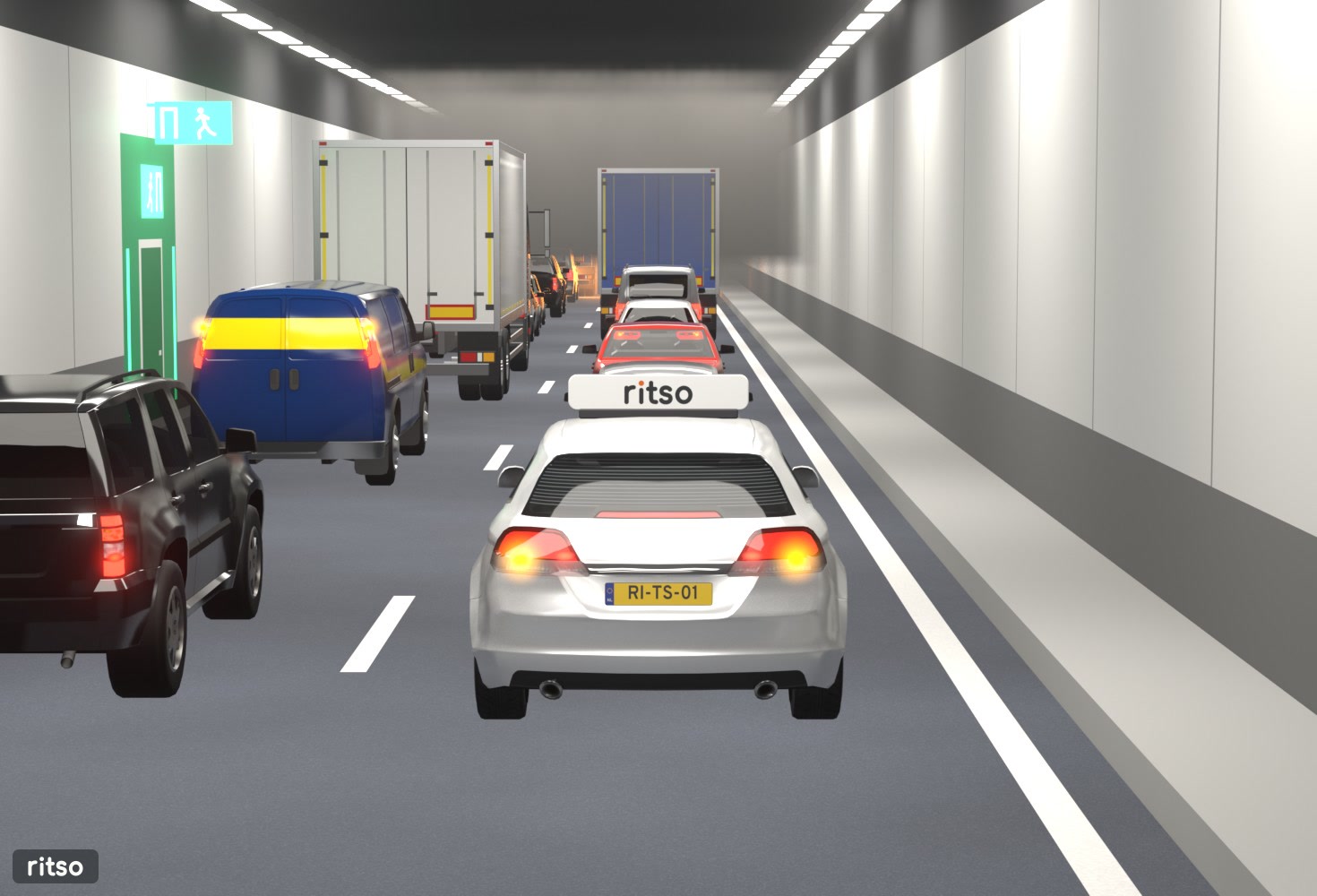
You never stop in a tunnel, not even briefly. Only in a jam or with a breakdown do you stand still there. With a breakdown you switch on your hazard lights, stop the engine and keep the key in the ignition. Walk along the wall to the nearest help point and call for help there. In a jam in a tunnel you keep your distance and switch on your radio for instructions.
RVV 1990 art. 23 lid 1 onderdeel d
Show DutchHide Dutch
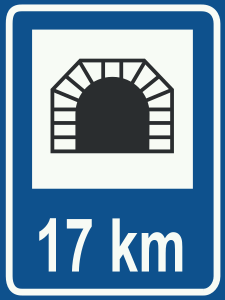
- L13Tunnel
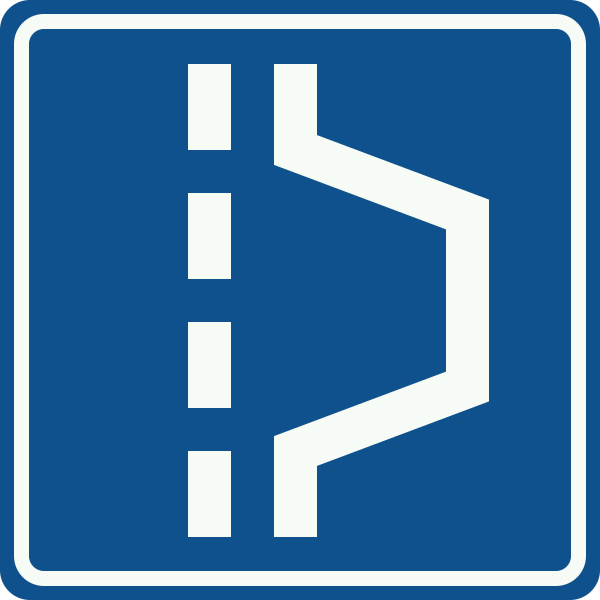
- L14Emergency lay-by
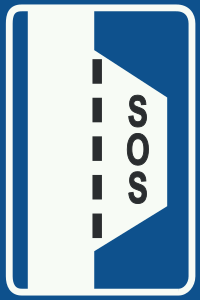
- L15Lay-by with telephone
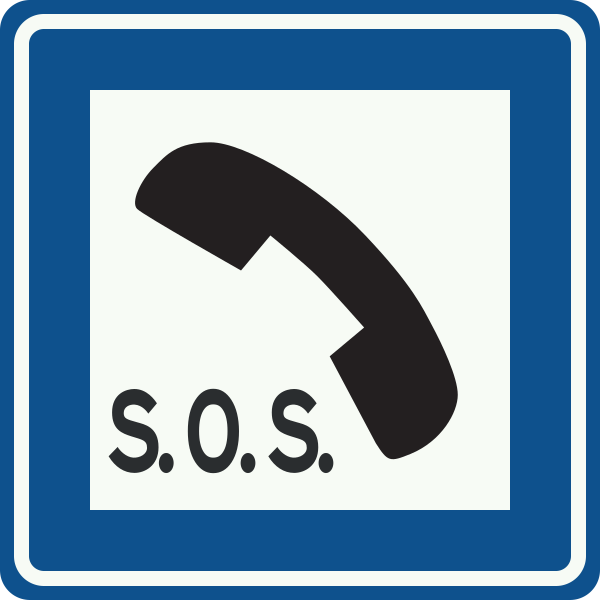
- L16Emergency telephone
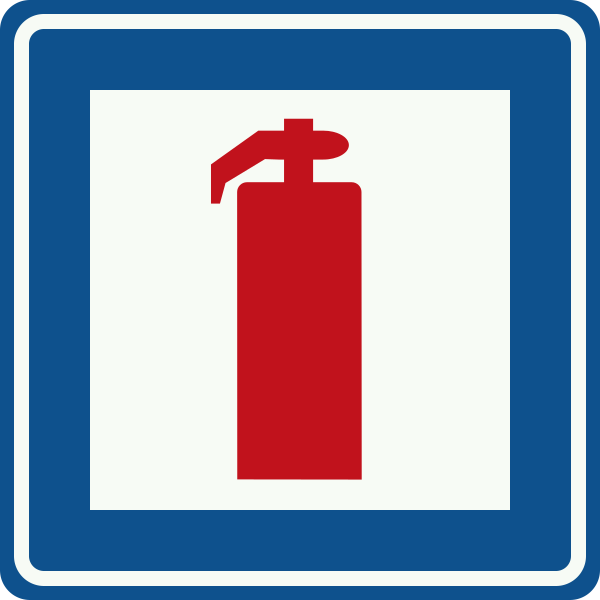
- L17Fire extinguisher
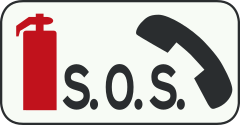
- L18Telephone and extinguisher
If red crosses are shown over lanes after an accident, you move to an open lane in good time. Keep to the speed shown above it.